To compare Japanese car imports for the UK, New Zealand and Australia, start with the approval route for the exact car. Right-hand drive alone does not establish eligibility. Have a local specialist check the model, manufacture date and Japanese records before you decide which market can take the car at a workable cost.
Key takeaways
- In the UK, check vehicle approval and the separate HMRC arrival notification.
- For New Zealand, establish which documents prove the car meets the required standards.
- For Australia, confirm the import approval route and obtain the approval before importing.
Compare Japanese car imports by the first decision each market requires
This comparison covers ordinary used passenger cars intended for road use. Specialist, personal, temporary and non-road imports can follow different procedures. Requirements below were checked against official guidance on 11 November 2026.
| Market | What to establish before buying | Who to ask for a written answer |
|---|---|---|
| United Kingdom | Which approval or exemption applies to the car, and what changes it needs before registration. | Your UK approval specialist or local importer. |
| New Zealand | Whether the export record and any additional evidence establish standards compliance. | Your entry certifier. |
| Australia | Which import pathway applies to the exact variant and who will complete the required work. | The approval applicant and, where relevant, the registered automotive workshop. |
United Kingdom: establish approval and registration costs
For cars from outside the EU, GOV.UK identifies Individual Vehicle Approval as a possible route. A car first registered or manufactured more than ten years ago may be exempt from approval, subject to the applicable conditions. Ask your specialist to confirm the route using the dates and vehicle specification.
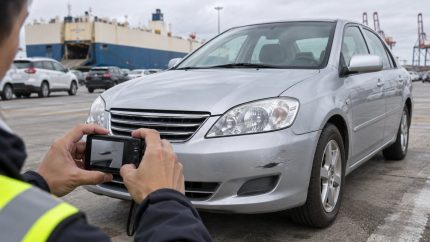
Get a quote for the work and evidence the selected car needs. Send photos of the lights, instruments and identification plate, plus the Japanese registration or export record. Ask whether the quote includes the test, any retest and transport to the test location.
Keep approval separate from tax administration. HMRC requires notification of the vehicle’s arrival within 14 days. Agree who will submit the Notification of Vehicle Arrivals, known as NOVA, and retain confirmation for the registration file.
New Zealand: check the evidence before the car leaves Japan
NZ Transport Agency guidance for used vehicles from Japan lists ownership and standards evidence, including emissions, frontal impact and electronic stability control where applicable. It specifies the Japanese records accepted for different vehicle types.
Send the export certificate’s complete model code and type designation number, where recorded, to the entry certifier. Ask which emissions and frontal-impact evidence is acceptable for that car. Also ask how to demonstrate electronic stability control. A model name or auction grade cannot answer those questions.
Get the certifier’s response before bidding on a modified car or one with repair history. Ask whether it will need repair certification, extra documents or work after arrival, and put those costs in the budget.
Australia: obtain the right import approval
The Australian government requires approval before a road vehicle is imported. Several pathways exist, including certain vehicles more than 25 years old and vehicles that will be modified by a registered automotive workshop. Each pathway has its own eligibility conditions.
For a car using the specialist and enthusiast route, check the SEVs guidance and the exact variant. Ask the workshop which approved work applies, whether it can accept that car and what evidence it needs. A SEVs entry is one part of the route and does not replace the vehicle’s import approval.
Obtain a written quote for the work, verification and handover point. Confirm who applies through ROVER, the government approval portal, and who checks that the approval identifies the correct vehicle before shipment.
Compare the cost to the same sale-ready condition
- Start with the same Japan-side cost. Use the selected lot and the landed cost guide to list purchase, export and freight charges. Convert each market’s local costs into your budget currency.
- Add the destination work. Include the quoted approval, certification, modifications, inspections and registration costs that apply to that car. Keep uncertain amounts visible.
- Test local resale value. Compare recently sold cars with the same engine, trim and condition in each market. Record how long comparable stock took to sell before allocating more money to a batch.
Use Sumotori’s country pages to discuss Japan-side sourcing and export work once the local specialist has confirmed an eligible vehicle. Compare the margin left after destination work and the time needed to turn the car into sale-ready stock.
Frequently asked questions
Can the same Japanese export certificate be sent to all three markets for an initial review?
You can send a clear scan to each local specialist, but ask what originals, translations or further evidence their process requires. Agree how the originals will reach the party responsible for registration.
This article provides general information. Confirm the exact vehicle’s eligibility, approval route and costs with your exporter and a qualified import or compliance specialist in the destination. This article does not constitute a public offer.