For New Zealand vehicle biosecurity, arrange an approved preparation process in Japan before booking a used passenger car for shipment. Ask the exporter which MPI-approved system will handle the car, how it will stay clean until loading and what records your New Zealand broker will receive.
Key takeaways
- Confirm the approved system and the work it will do for each car.
- Flag areas that can hold soil or plant material before the vehicle enters the preparation yard.
- Track biosecurity clearance separately from customs and entry certification.
What New Zealand vehicle biosecurity rules cover
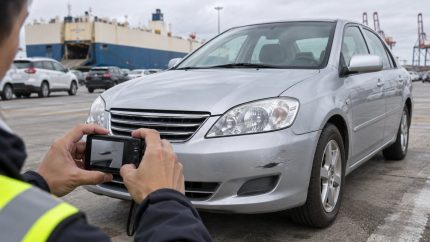
New Zealand’s Ministry for Primary Industries (MPI) sets the rules in the Import Health Standard for Vehicles, Machinery and Parts. Used passenger vehicles sent from Japan by sea must be managed under an MPI-approved system throughout the year. Additional treatment provisions apply when the brown marmorated stink bug rules cover the shipment. Ask the provider to check the planned export and arrival dates, including any change in routing. Guidance was checked on 13 November 2026.
Check the provider against MPI’s approved systems list. Before approving the quote, confirm which yard will handle the car, who will deliver it and whether the proposed sailing leaves enough time for the work.
Tell the provider what to check before loading
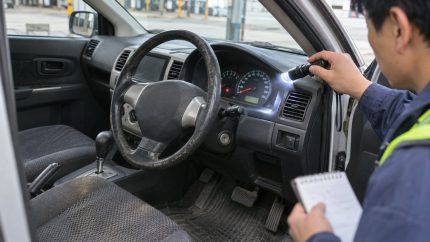
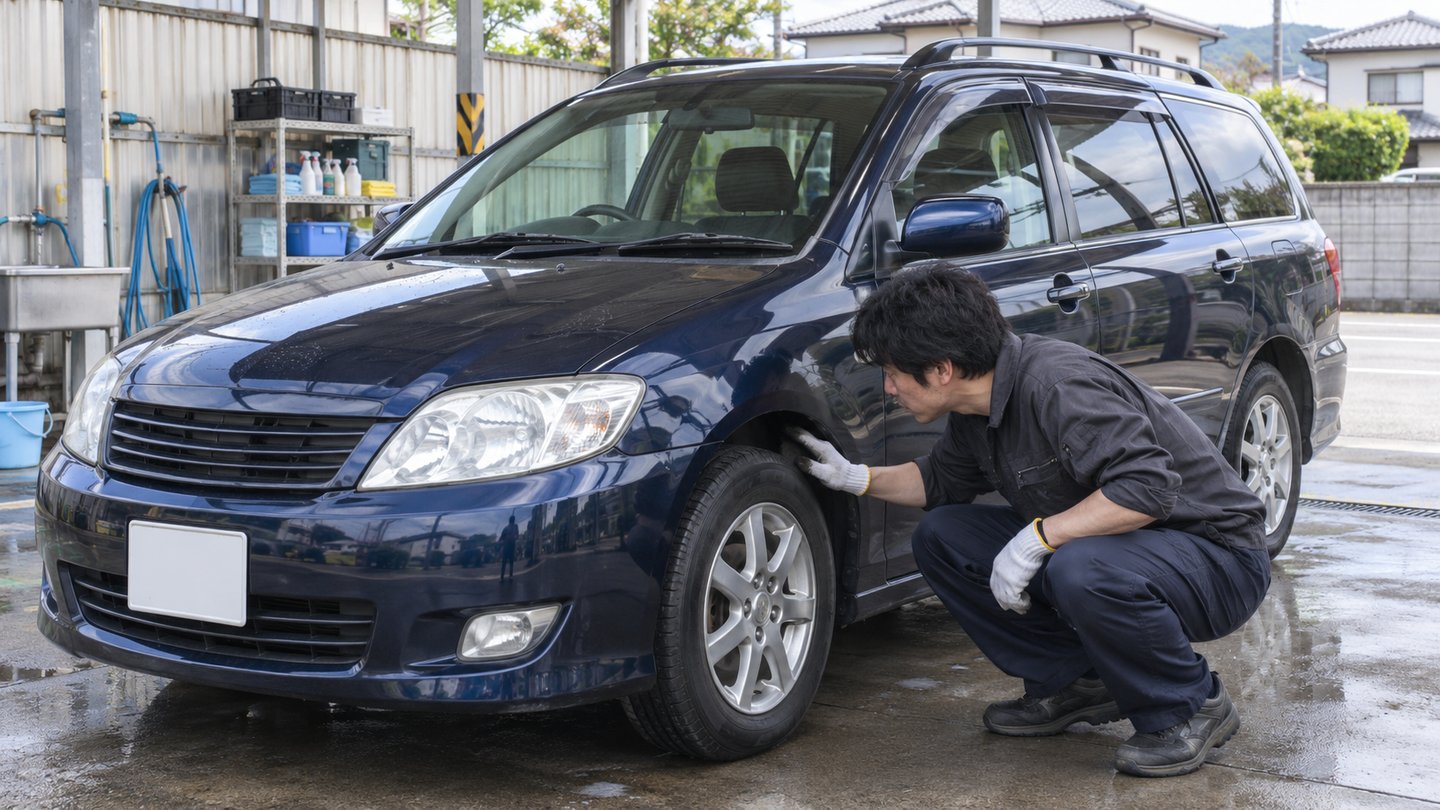
MPI’s used-vehicle cleaning guide shows where contamination can hide. Use the list below to brief the provider when auction photos show mud, wet mats or a vehicle used off road. The provider can decide how to reach enclosed areas safely.
| Area | What to flag |
|---|---|
| Wheels and underside | Soil behind wheel liners and around tyres. On an off-road vehicle, ask about dirt behind underbody plates. |
| Engine bay and exterior recesses | Leaves, insects or standing water around the grille, vents, drains and rails. |
| Cabin and luggage area | Check under loose mats, around seat rails and in the spare-wheel well. Tell the provider about loose goods inside the car. |
Confirm where the car will be stored after preparation. If it is moved to another yard or driven over unpaved ground, ask the provider whether it needs to be checked again before loading.
Keep evidence for each vehicle
Use one row per chassis number. Record the approved system, preparation status, any treatment evidence the provider issues, the proposed sailing and the person who will send the records to the broker. MPI’s import steps describe the consignment declaration through the Trade Single Window. Ask your broker what it needs for the exact car and transport method.
Review the chassis number against the shipping records before departure. If the carrier moves a car to a different sailing, give the broker the revised dates and ask the provider to confirm that the previous preparation still meets the applicable requirements.
Confirm release before arranging onward transport
Ask your broker to confirm when MPI has cleared each car. If MPI finds contamination, it may require additional work at the importer’s expense. Find out who can authorize that work and what the yard or terminal will charge while the car waits.
Use Sumotori’s New Zealand sourcing page to discuss Japan-side preparation. For the separate road-use approval questions, see the vehicle import comparison.
Frequently asked questions
Can I put spare tyres or loose parts inside the car?
Ask the carrier and broker before adding anything. Loose items can have separate biosecurity and declaration requirements, and they can make it harder to inspect the car.
This article provides general information. Confirm current biosecurity rules and vehicle preparation terms with your exporter, approved system provider and a qualified New Zealand broker. This article does not constitute a public offer.