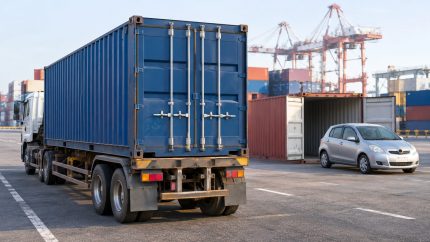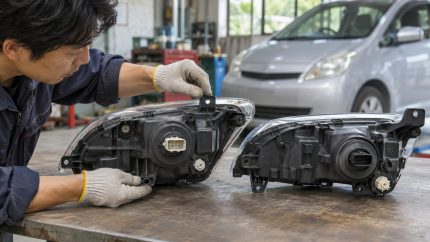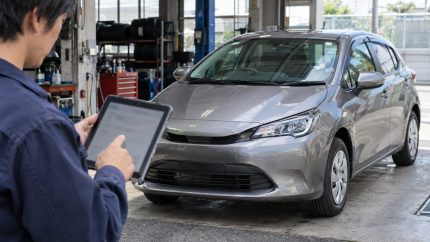
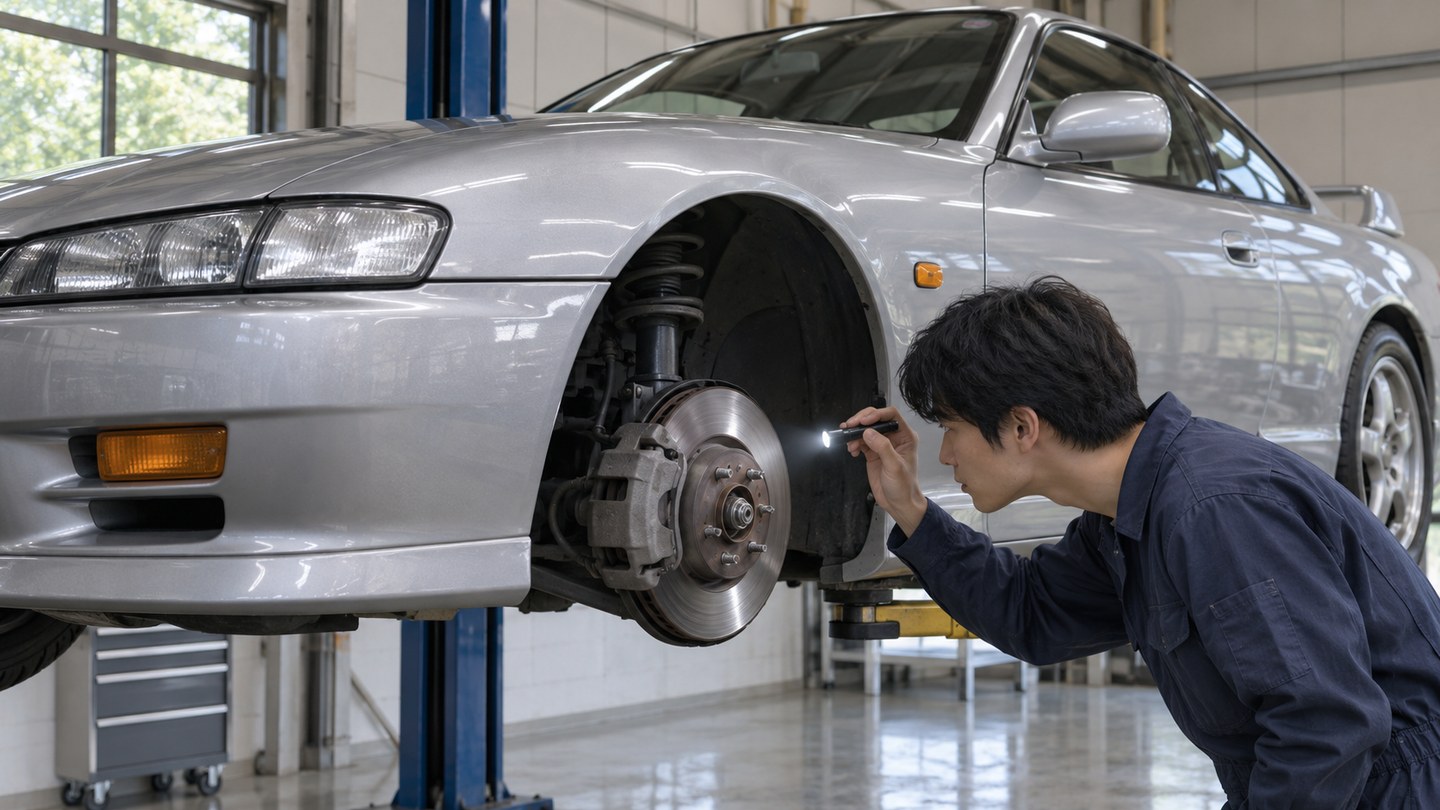
Arrange asbestos checks before shipping a Japanese used car to Australia. Ask the exporter what is known about the brakes, clutch and heat-resistant gaskets on that specific car. If the records leave a gap, ask a qualified asbestos specialist what needs to be assessed before the car leaves Japan.
Key takeaways
- Australia makes the importer responsible for ensuring the vehicle contains no asbestos.
- Check replacement parts as well as original equipment. Service history can show which components need more evidence.
- Agree who will arrange specialist assessment and pay for any required work before you bid.
What Australia expects you to establish
Australian Border Force (ABF) guidance puts responsibility on the importer. Its vehicle asbestos fact sheet identifies brake friction materials and heat-resistant gaskets among the common findings at the border. Clutch linings can also contain asbestos. The parts worth checking depend on the vehicle and its history.
Official guidance checked on 17 November 2026.
Start asbestos checks with the parts fitted now
Ask the exporter for the chassis number, service records and any invoices for replaced brakes, clutch parts or gaskets. Look for part numbers and dates on the invoices. A receipt marked “brakes serviced” may show that work took place while leaving the fitted parts unidentified.
Where a part number is known, ask the supplier or manufacturer for material information that applies to that part. For example, if a clutch was replaced and the receipt lists the kit number, start with that kit supplier. Record which parts the evidence covers and where the history is missing.
Agree who will close gaps before shipment
Send the records to your Australian customs broker and ask which documents should travel with the shipment. Use a qualified asbestos specialist to assess suspect material and advise on any testing or removal. Have the specialist explain how the results will identify the vehicle and the component checked.
If a suspect part needs replacing, ask for a record of what was removed and what was fitted. Keep it with the material evidence for the replacement. Confirm that the exporter has time to arrange the work and ask for a quote before setting your maximum bid.
ABF can hold a vehicle for sampling and testing if the evidence is insufficient. For a dealership, that can mean extra costs and a car that stays unavailable for sale. Ask your exporter to hold the shipment while an unresolved risk is being assessed.
Keep the evidence with the vehicle file
Use the chassis number to group the service records, material information and any specialist reports. If you buy several similar cars, link the documents to the individual vehicle: repair histories can differ even within the same model and year.
For the vehicle approval stage, see the Australian SEVs Register checks and the Japan-to-Australia import page.
Frequently asked questions
Can a Japanese auction sheet prove what the brake pads contain?
The auction sheet can help identify the car and flag visible issues. Ask for separate part records or specialist evidence to establish the material in the pads actually fitted.
This guide gives general information on asbestos risk for imported vehicles. Confirm the arrangements for your car with your exporter, customs broker and a qualified asbestos specialist. This article does not constitute a public offer.