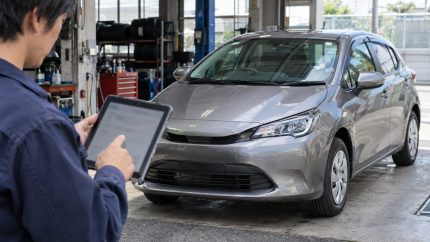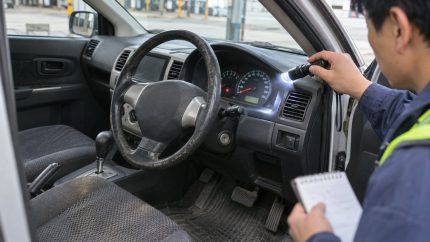
Japanese car parts compatibility needs checking against the exact vehicle before you price repairs or approve an auction bid. Start with its chassis number and model information, obtain the correct part number, and ask the supplier to confirm the proposed replacement. A matching model name and a similar photograph are not enough evidence for a repair budget.
Key takeaways
- Build a vehicle identification file before asking for parts prices.
- Separate confirmation that a part fits from confirmation that it is available.
- Budget for the complete repair: the part, related items, fitting and any confirmed setup work.
- Keep the confirmed part number on the order and compare it with what arrives.
Build the vehicle file once
A useful parts enquiry starts with clear photographs of the vehicle identification plate and available Japanese registration information. Copying only the model name from an advertisement leaves the supplier to guess which version you mean. Keep the original photographs as well as a typed summary.
Toyota Mobility Parts’ Miyagi and Yamagata branches publish a list of information to prepare for a parts enquiry. It includes first registration, chassis number, model, type designation and classification numbers. For exterior and interior enquiries, the plate information also includes engine, body colour and trim details. This is a useful example of why a complete identity file matters.
| Information | What to give the supplier | What the buyer gains |
|---|---|---|
| Full chassis number | A clear original record, including the prefix and serial digits. | A vehicle-specific starting point for the lookup. |
| Model and engine information | Plate photograph plus exact transcription of the relevant fields. | A way to separate versions sharing a sales name. |
| Registration and build information | The dates you have, clearly labelled by their source. | A record of what is known, without silently treating registration as manufacture. |
| Colour and trim codes | Plate fields and a photograph of the area needing repair. | A more precise enquiry for painted or interior items. |
| The required component | Location, side, function, photographs and any existing label. | A clear statement of what must be supplied. |
If you need help locating information on export paperwork, read how to read a Japanese car export certificate. Keep dates labelled correctly. Do not enter the first registration date into a supplier’s production-date field just to complete the form.
Confirm Japanese car parts compatibility by part number
Ask a supplier with access to the relevant manufacturer’s parts information to identify the original part number for that vehicle. Toyota’s official parts enquiry guidance directs customers to a Toyota dealer with the vehicle inspection certificate for part numbers, prices and fitting costs.
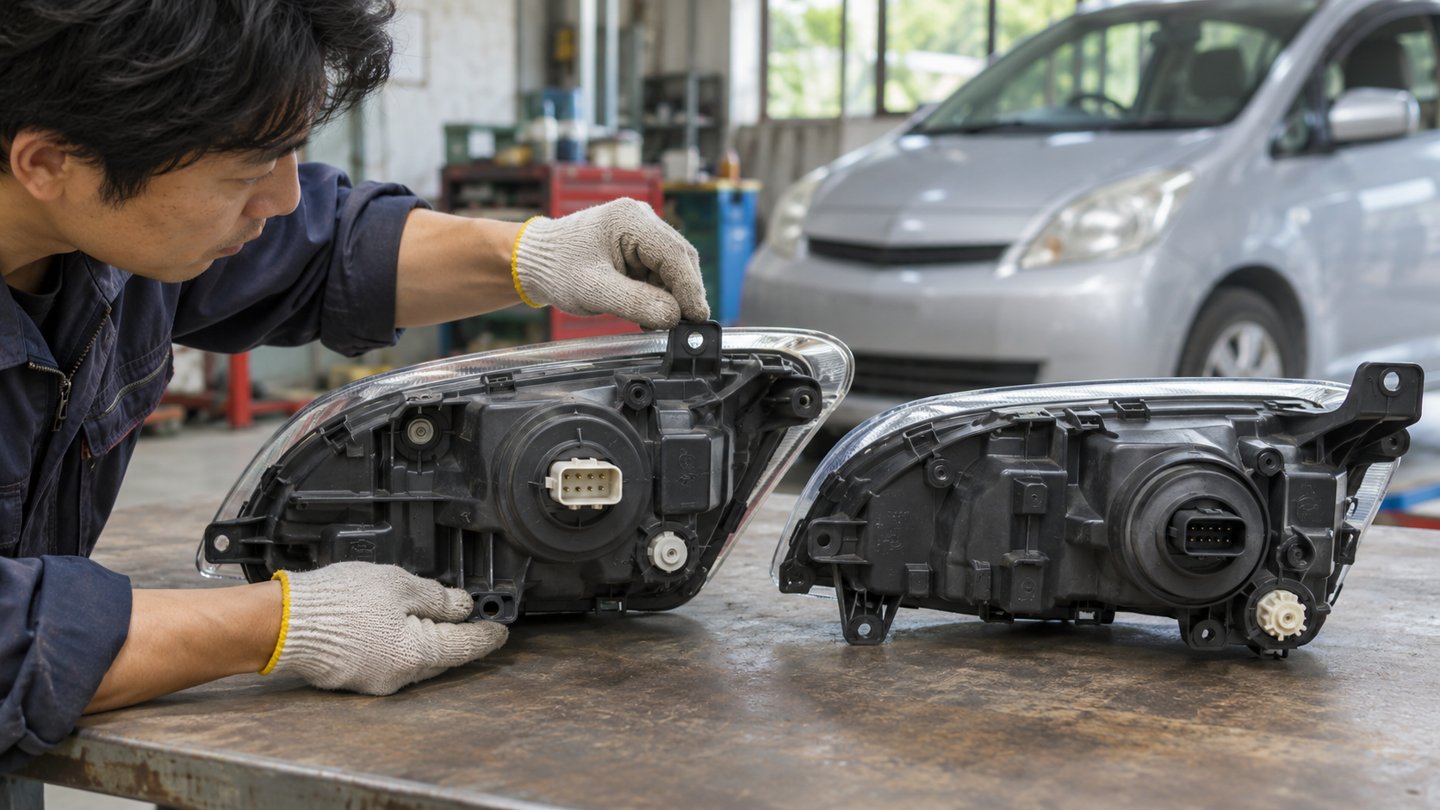
Send one request containing the identity file and the defect description. For a headlamp, for example, state left or right from the driver’s seated position and include front, rear, mounting-point and connector photographs where accessible. A picture of the front lens alone may leave important details unresolved.
Ask the supplier to return the selected part number in writing and identify any missing information. If a newer number replaces the original, ask for confirmation of that replacement relationship and whether additional items or work are required. Do not change the number on the purchase order based on a marketplace title.
If you are offered a used part, request its actual label and condition photographs. Record what is included in the assembly. The scope of a complete unit can differ from an offer for one housing or one detachable component. Have the installer review the proposed item when its contents are unclear.
Use grade information as a clue, not final fitment approval
Toyota offers an official grade information search by chassis number for vehicles from January 1999 onward. Its conditions note that information may be unavailable for some models or years and that results are for reference. The service does not promise to identify every car.
Use a grade result to improve the vehicle description, then continue with a part-specific lookup. A grade name is not a replacement part number. Similarly, a missing grade result should lead you back to the identity records, rather than to a guessed specification.
Photograph the component actually fitted when possible. A used car’s current equipment may need separate confirmation from the original vehicle specification. If the plate information and fitted item do not appear to agree, pause the order and ask the installer or supplier to explain the difference.
Check availability before counting the repair as affordable
A correct number establishes what to look for. It does not establish that the part is in stock, can be delivered in time or can be returned if ordered incorrectly. Obtain a quote tied to that number and your required destination.
- Stock status: physically available, supplier stock, back order or still awaiting confirmation.
- Supply scope: new or used, complete assembly or individual component, and any excluded items.
- Price basis: currency, taxes, delivery charges and quote expiry.
- Timing: dispatch expectation and delivery estimate, with any unresolved dependency identified.
- Installation scope: labour and any additional work the workshop confirms is needed.
- Order conditions: cancellation, returns and what evidence is needed for a wrong or damaged item.
Keep the difference between an estimate and a confirmed allocation visible. ‘Normally available’ does not reserve a part for your car. If a replacement is essential for resale, obtain enough evidence to decide whether the expected wait fits your stock plan.
Use your local workshop for repair planning. This article is not a procedure for fitting lamps, electronic modules or safety-related components. The workshop should establish the correct work for the particular vehicle and the rules in your market.
A fictional headlamp comparison before bidding
Imagine two cars with the same advertised model name. Both need a right headlamp. For Car A, a supplier confirms the exact replacement number and an available unit. For Car B, the attractive listing price comes from a visually similar lamp, but nobody has confirmed its fitment.
In this fictional example, the confirmed unit for Car A costs USD 420, delivery is USD 60 and the workshop estimates USD 120 for the agreed fitting work. That gives a USD 600 planning allowance. The amounts are invented for this example, not market prices or Sumotori tariffs.
For Car B, the unconfirmed USD 250 listing is not yet a usable USD 250 repair estimate. The buyer still needs a correct number, supply scope, delivery quote and workshop assessment. Enter those items as unresolved rather than treating a cheap listing as a saving.
If Car B’s correct part cannot be sourced in the required time, the buyer can remove that car from the shortlist. If it can be sourced, the confirmed repair total can feed into the vehicle selection and maximum-bid calculation. This avoids pricing two different levels of certainty as though they were equivalent.
Check the delivery against the order
Keep the supplier’s fitment confirmation with the purchase order. When the part arrives, compare its label, quantity, included items and visible condition with the agreed order before booking the repair. Photograph discrepancies and contact the supplier under the agreed process.
For a batch of vehicles, identify which chassis number each part belongs to. Similar boxes should not lead to parts being assigned by memory. Record any supplier-approved substitution so the workshop and purchasing team use the same number.
Close the repair file with the workshop’s job record and any relevant test or setup confirmation. This gives the sales team a factual description of the work completed. It also preserves the identity information for later enquiries.
When asking Sumotori Japan’s dealer team about a lot, specify which plate or component photographs you need before purchase. Use the pre-bid inspection process to establish the defect first, then obtain a part-specific quotation. Official source pages were checked on 23 November 2026.
This article is general purchasing guidance, not a fitment guarantee or repair instruction. The cost example is fictional. Confirm compatibility, availability and the required work with your exporter, parts supplier and a qualified vehicle specialist. This article is not a public offer.