When comparing RoRo vs container shipping from Japan, price RoRo first for a single drivable car on a suitable route. Get a container quote when several cars will be ready together or when the container route offers a better handover point. Choose after the carrier accepts the cars and you know the total cost and the date you can collect them.
Key takeaways
- Get quotes to the same handover point so both include the charges you will actually pay.
- For a container, ask for a loading plan and recalculate the cost per car if one vehicle misses the cutoff.
- Get written carrier acceptance for any vehicle with damage, a battery issue or a problem that affects driving.
How the two shipping methods handle your cars
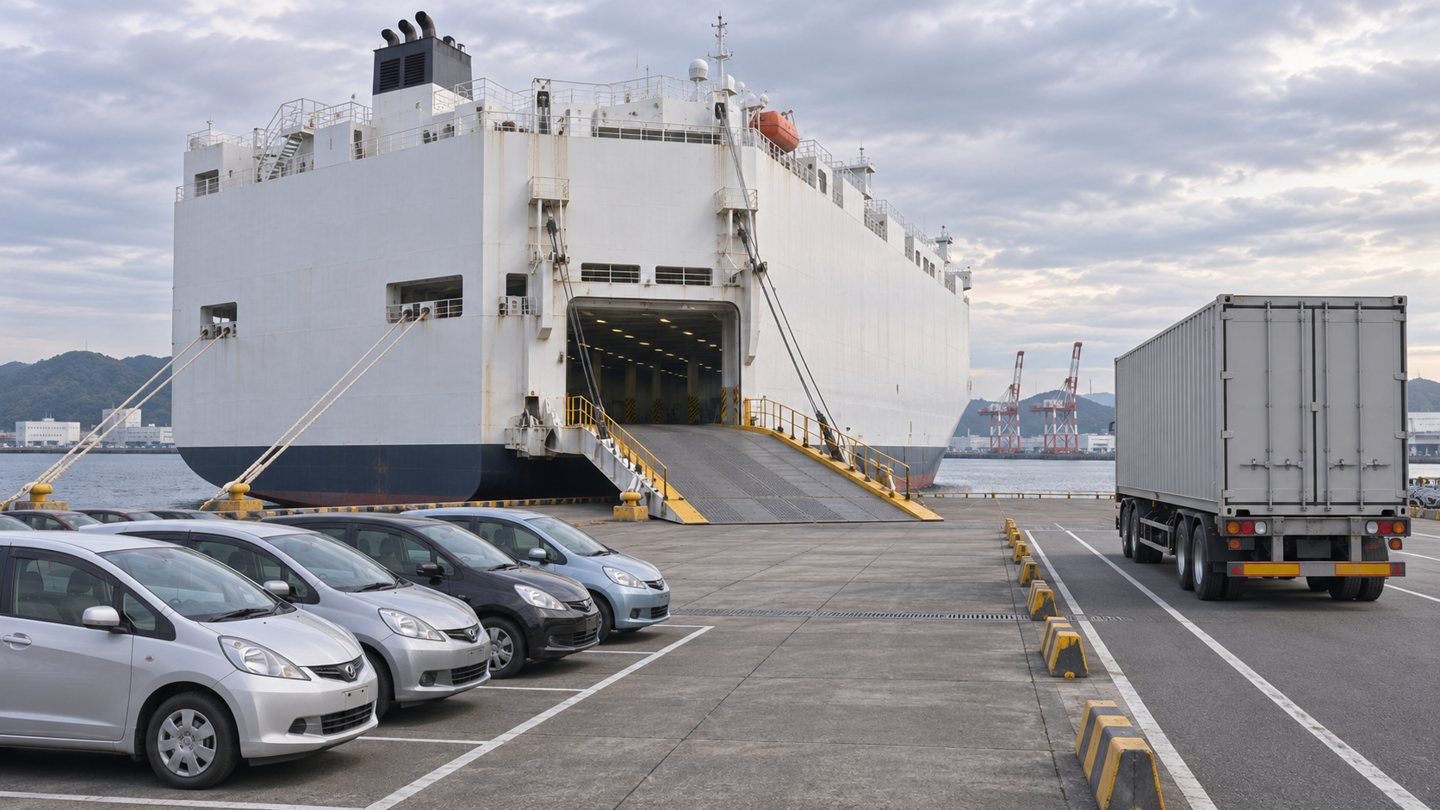
RoRo means roll-on/roll-off. A drivable car is moved onto a vehicle carrier via a ramp and driven off at the discharge port. NYK Line illustrates how vehicle carrier ramps and decks work. In container shipping, the loading team secures the cars inside a container. The sealed container is handled as one unit and the cars are unloaded at the agreed location.
| Shipment | Option to price first | What to confirm |
|---|---|---|
| One car that starts, steers and brakes | RoRo | Is there a suitable sailing, and what will the arrival terminal charge for release? |
| Several cars ready together | Container | Which cars fit in the loading plan, and who pays to unload them? |
| A car with damage or limited mobility | Ask for written acceptance before choosing | Does the carrier accept the exact condition, and what equipment is needed at both ends? |
| Cars ready on different dates | Separate departures or one container | How much storage and delay would the batch add for cars that are already ready? |
Compare RoRo vs container shipping quotes to the same point
Ask both providers to price the move from the same yard in Japan to the same collection point. A RoRo quote ending at the arrival terminal and a container quote ending at an inland depot cover different work. Have your destination agent identify anything the exporter leaves out.
- For RoRo, check vehicle delivery to the port, ocean freight, terminal handling and vehicle release. Ask how the carrier priced the car and send its actual dimensions, including racks or other fittings that add height.
- For a container, check loading and securing, freight, destination handling, unloading and empty container return. Ask how long you have to unload and return the box, and who pays if that window is missed.
- For both, separate included charges from estimates. Check currency, quote expiry, storage and insurance. Use the same exchange rate to compare the offers.
For a hypothetical batch of three cars, suppose RoRo costs $1,050 per car to the same collection point and a container costs $2,700 in total. At three cars, the container averages $900 per car. If only two make the sailing and the container still costs $2,700, the average rises to $1,350. These figures are for illustration. For the full purchase budget, see the guide to landed cost.
Compare when the cars will be ready for collection
Ask for the cargo and document cutoffs, proposed vessel, any transfers between vessels, and estimated arrival. Then ask your destination agent when each car can actually leave the terminal or unloading depot. Time at sea tells you little about how long the cars will wait before loading or after arrival.
If the last car in a container batch could miss the loading date, ask for the next feasible sailing and the cost of holding the other cars. Compare that with sending the ready cars first. Where the route is flexible, use the same final city when comparing ports and include the onward trip from each port.
Check carrier acceptance and protect the shipment
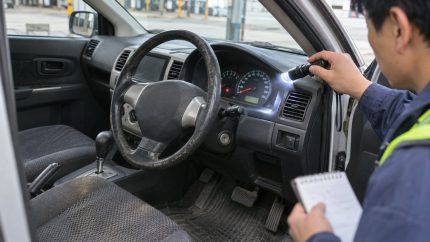
Give the exporter the chassis numbers, dimensions, fuel or battery type and any known damage before booking. If a car cannot start, steer or brake reliably, ask how the carrier would load and unload it. A container still needs a carrier willing to take the car. Confirm the rules for your specific booking.
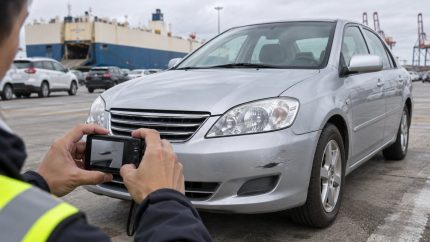
Ask for dated photos when the exporter takes custody and before loading. For RoRo, ask how arrival condition is recorded before the car leaves the terminal. For a container, ask for photos of how each car was secured and who records the seal number at unloading. Check which parts of the journey the policy covers, whether it excludes existing damage and how quickly you must report a claim.
Before departure, have the exporter and destination agent check the draft bill of lading against the invoice and vehicle list. Confirm how each chassis number is recorded and who can collect the shipment. For destination-specific import and registration checks, use the Sumotori country directory.
Frequently asked questions
Can I ship spare parts inside a car?
Get written approval before packing anything. Give the carrier and customs broker a list of the parts. Ask what must be declared separately and whether packing parts inside the car affects acceptance, insurance or destination clearance.
This guide provides general information. Confirm current shipping terms and carrier acceptance with your exporter, and verify local requirements with a qualified customs or logistics specialist. This article does not constitute a public offer.