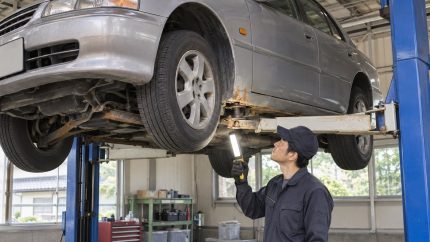
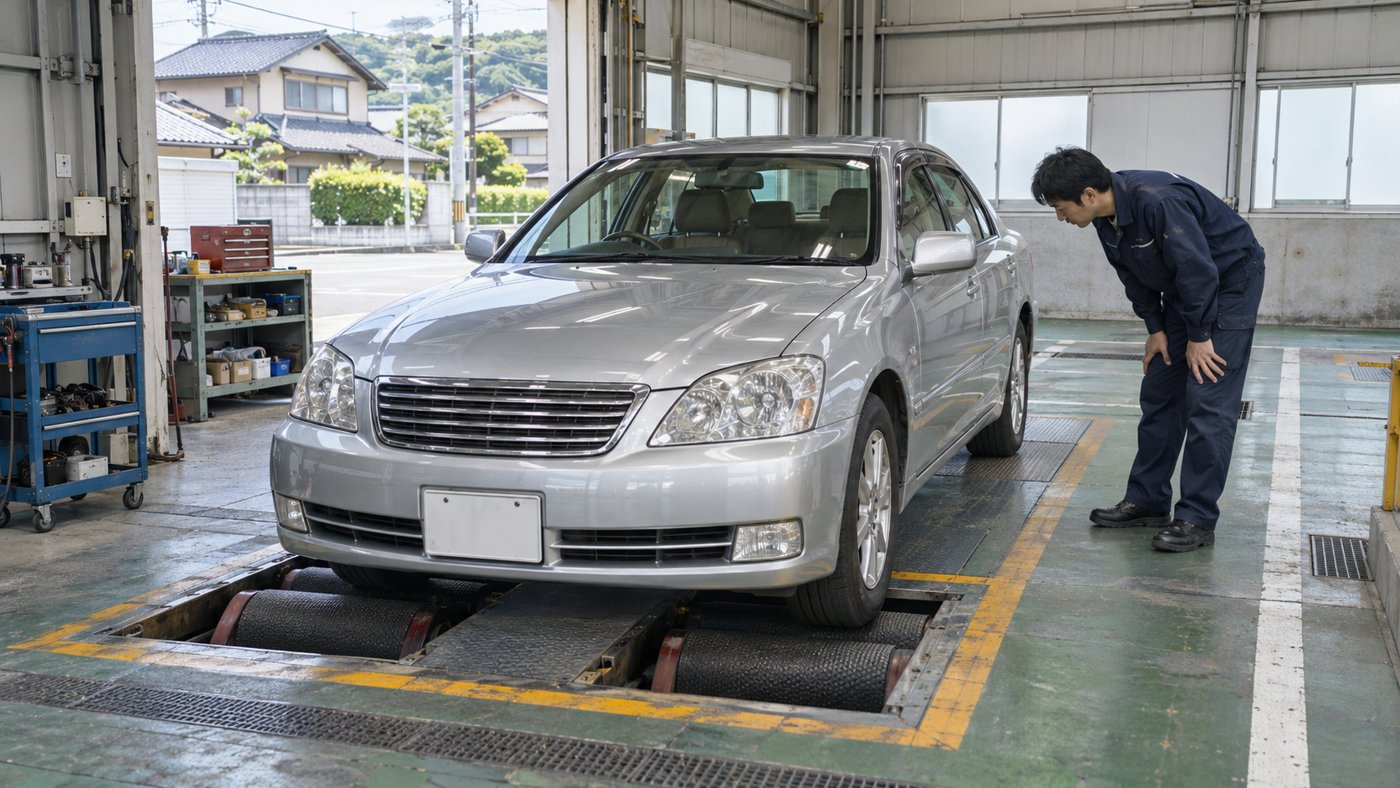
A Zambia vehicle inspection should be planned while the car is still in Japan. The required pre-shipment roadworthiness inspection is a separate step from reading the auction sheet. For dealers, the useful plan includes a named inspection provider, time to address a failed result, and a checked certificate before the vehicle is released for shipment.
Key takeaways
- ZCSA’s pre-shipment RWI scheme applies to used vehicles exported from Japan for use in Zambia.
- Give the inspection booking, repairs and certificate review their own place in the shipment plan.
- A repair invoice or inspection appointment is not a passing result. Keep the car on hold until the required evidence is complete.
What the Zambia vehicle inspection requirement covers
The Zambia Compulsory Standards Agency (ZCSA) implements the compulsory ZS 560 roadworthiness standard through a pre-shipment inspection scheme. Its guidance identifies Japan among the countries where ZCSA-appointed agents inspect used vehicles destined for use in Zambia. RWI means roadworthiness inspection.
ZCSA also states that a vehicle exported from the listed countries without the required inspection incurs a penalty linked to vehicle size. Do not build an order around paying a penalty instead of arranging the inspection. Establish the applicable process before dispatch.
The destination and purpose matter when arranging the job. Tell the exporter and inspection provider that the vehicle is for use in Zambia. A booking described only as “export inspection” leaves too much unclear. The receiving agent needs evidence for the actual destination scheme.
Use auction information to prepare, not to replace RWI
An auction sheet helps the buyer understand the vehicle offered for sale. Additional buyer-requested checks can investigate a particular defect. Neither should be treated as the appointed agent’s Zambia RWI result.
Before bidding, identify issues likely to need diagnosis or repair, such as warning lights, damaged glazing or visible corrosion. Ask a workshop what further assessment is needed before agreeing to buy. These are purchasing concerns, not a substitute inspection checklist or a prediction that the vehicle will pass.
Use our pre-bid vehicle checks guide when you need more evidence about a specific fault. Keep that report in the buying file, then arrange the destination inspection as a separate job after purchase. Do not promise your customer a passing result based on an auction grade.
Book the right job and leave room for a failed result
Ask ZCSA or the proposed inspection agent to confirm its current appointment for the Japan-to-Zambia scheme. Check the actual entity handling your vehicle, not just a familiar trading name. Then obtain the booking requirements for that vehicle category and location.
- Provide the exact chassis or VIN, vehicle description, location and intended destination.
- Confirm what documents the provider needs and the deadline for receiving them.
- Get the inspection price and clarify transport, storage, repairs and reinspection charges separately.
- Ask how results and the certificate will be issued, how to verify them, and what validity or shipment conditions apply.
- Identify who will decide what happens if the vehicle does not pass.
Work backwards from the proposed vessel handover. Allow for transport to the inspection location, the inspection itself, result review and possible repairs. Use dates confirmed by the parties doing the work. A timetable with no space for a failed result puts pressure on the buyer to ship before the evidence is ready.
Keep the carrier’s booking conditions separate. Ask the forwarder about the last date for changing the shipment and any charges that could follow. This lets you compare the cost of waiting with the cost of rushing, without inventing a standard inspection turnaround time.
When the vehicle does not pass, turn the result into a repair decision
Get the written result and the identified defects. Send those findings to the workshop rather than requesting a vague “export preparation” service. Ask for the proposed work, parts, price and completion date. Where the fault needs diagnosis, agree on that step before authorising a full repair.
Set an approval limit for additional work. If the estimate changes, the workshop should return to the buyer before proceeding. This is especially useful when several vehicles are being prepared: each car needs its own defect list and cost decision.
After repairs, follow the inspection provider’s process for any required reinspection and evidence of acceptance. Keep the repair record, but do not treat it as proof of a pass. If the problem remains unresolved, retain the shipment hold and agree on the next step before more transport is booked.
Check the certificate against the car, not just the invoice
Read the issued inspection record before sending it onward. The following checks are an internal document-control method. They do not claim that every provider uses the same certificate layout.
| Compare | How to check | If it does not agree |
|---|---|---|
| Vehicle identity | Compare each chassis or VIN character with the vehicle record and Japanese export documents. | Request correction from the issuer and keep the vehicle on hold. |
| Inspection purpose and issuer | Check that the record is for the applicable Zambia scheme and the provider can verify it. | Resolve the scheme or authenticity question with the provider. |
| Result and conditions | Read the actual result, dates and any stated restrictions or validity conditions. | Obtain the missing result or confirmation before release. |
| Document handover | Confirm the format and verification information the receiving agent needs. | Obtain the required file or original before dispatch deadlines. |
A visible stamp or sticker alone is not a reason to skip verification. Use the provider’s official verification method where available. If the shipment date changes, ask whether the existing record remains acceptable for the revised plan instead of assuming that the certificate has no time limit.
Example: a batch is ready, but one car is not
Imagine a fictional dealer preparing three cars in Japan. Two have accepted inspection records. The third needs a repair after inspection, and the workshop has finished the job. The shipment coordinator receives the workshop invoice but no updated passing result.
The correct status for that car is “repair completed; inspection outcome pending.” The coordinator requests the required reinspection or acceptance record. Meanwhile, the forwarder confirms whether the two ready cars can travel separately and what that would cost.
The dealer can now decide whether to split the shipment or wait. That is a better decision than marking the whole batch ready because the repair was paid for. The example does not assume a fixed repair cost, inspection fee or sailing delay.
Release the vehicle with a complete handover file
Name one employee to approve shipment release for each vehicle. That person should have the final inspection evidence, resolved identity checks and the receiving agent’s document instructions. Record who will retain the original or verified electronic record and who receives a copy.
Inspection is one part of a Japan-to-Zambia vehicle order. Customs assessment, transit arrangements and local registration still need their own preparation. Keep those work items visible so an inspection pass does not accidentally become a promise that the entire import process is complete.
ZCSA’s official scheme guidance was checked on 25 November 2026. Confirm the current provider appointment, requirements and certificate conditions for the planned shipment.
This is general information for business buyers and is not a public offer or a guarantee of inspection, clearance or registration. Confirm the exact vehicle and current requirements with your exporter, the appointed inspection provider, ZCSA and a qualified Zambian customs or vehicle-compliance specialist.