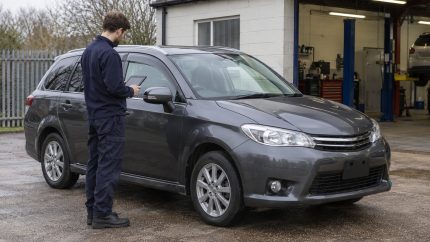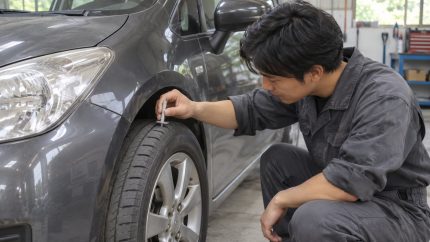
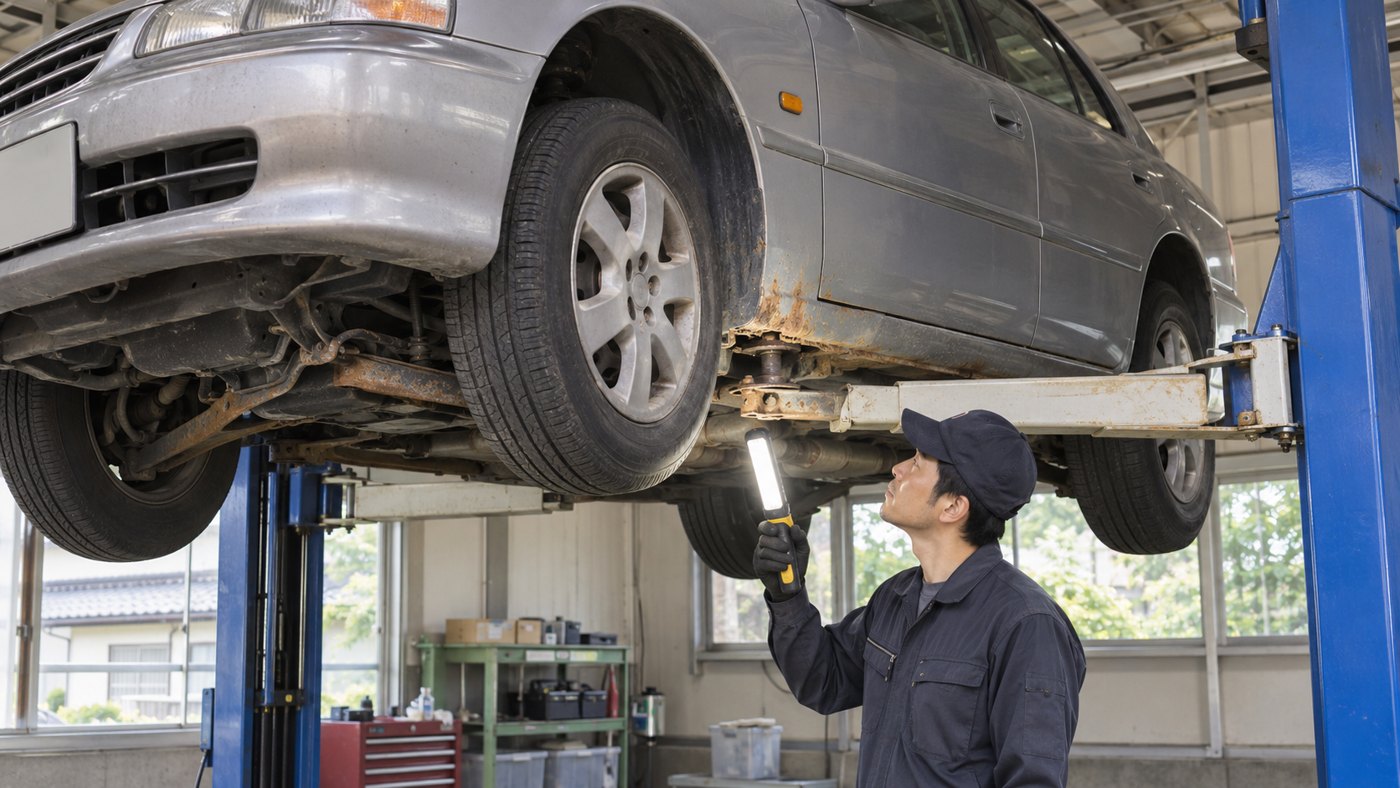
A car rust inspection should establish which part is affected, what that part does and whether the condition can be assessed before purchase. Rust colour alone cannot tell a dealer how much strength remains. When buying a used car in Japan, turn a general corrosion comment into a specific inspection request before deciding that cleaning or paint will solve the problem.
Key takeaways
- Judge corrosion by its location, extent and effect on the component, rather than the size of the visible stain.
- Treat inaccessible metal and covered repairs as unresolved inspection questions.
- Obtain an assessment and defined repair scope before adding a repair allowance to the buying budget.
Why the location matters more than the first photograph
The Driver and Vehicle Standards Agency’s corrosion guidance for Great Britain MOT tests explains that safety depends on both the extent of corrosion and the function of the affected section. A small area can matter greatly where it compromises a load-bearing part.
That gives a buyer a useful starting question: which component is this? A stain on a removable exterior panel and metal loss around a suspension mounting call for different assessments. Do not assign a repair budget until the location is identified.
Ask the inspector to name the part and show it in a wider photograph. The nearby wheel, floor section, mounting or seam should make the location understandable. A close-up of brown metal without context may show texture while hiding the information that matters most.
Distinguish a visible surface finding from a structural conclusion
“Surface rust visible” describes an observation. “Structurally sound” is a conclusion requiring an adequate assessment. Keep those statements separate in the purchase file, especially when the available evidence consists only of auction photographs.
Have the inspector explain whether there is evidence of lost metal thickness, flaking, holes, cracking or an affected attachment. These findings need more than a colour comparison with another vehicle. A clean-looking surface after treatment does not document the condition that was beneath it.
The DVSA manual also points out that the same named area, such as a sill, can have different importance in different vehicle constructions. Ask the specialist to assess the actual structure, not a generic picture of a similar model.
For an integrated body, the body structure is part of the load-bearing system. On a vehicle with a separate frame, the relationship between the frame, body and mountings needs its own review. Do not assume that damage matters less simply because a component is hidden below trim.
Request a car rust inspection that answers three questions
1. What can the inspector actually see?
Start with the auction report, existing pictures and the exact location mentioned in the comments. Request wider and closer views of that area and adjacent joints or mounting points. Include the chassis or VIN, auction date and lot reference so the request cannot drift to another car.
Ask which surfaces remain hidden by covers, underseal, dirt or the vehicle’s position. The report should identify what was not examined. If a critical area cannot be assessed at the auction venue, arrange an appropriate inspection before purchase where possible, or decide whether to pass on the lot.
2. What is the condition of the affected metal and attachment?
Request the inspector’s findings about the component and its surroundings, including any concern about loss of thickness or the security of a mounting. Ask for a written distinction between what is directly observed and what requires further investigation.
The DVSA’s separate body and structure criteria address corrosion that significantly reduces structural rigidity or may affect steering or braking. Those are Great Britain test criteria, not a worldwide import standard. They illustrate why “no large hole visible” is too weak a buying test.
3. What work and verification would resolve the finding?
A useful answer identifies the repairable part, the proposed work and what must be checked after repair. If a specialist needs better access before quoting, record that as an assessment stage. Do not convert an unresolved structural concern into a small cosmetic allowance.
For an earlier repair, ask for any available records showing the original condition, the work and the finished result. Have the relevant specialist review them. A neat outer patch or a seller’s statement that the car was repaired is not a complete explanation of how the structure was restored.
Keep inspection separate from coating and cleaning
Agree on the assessment before asking anyone to apply rust treatment, underseal or paint. Coating a surface changes what the next reviewer can see. If work is approved, keep photographs and findings from before it was covered, along with the repair records.
The DVSA assessment procedure restricts the use of its corrosion tool and does not permit heavy scraping or poking. Leave any physical assessment to competent personnel using a suitable method. Do not ask a photographer to attack the metal with a screwdriver or work beneath an unsupported car.
If an area is coated already, ask what can still be assessed and what further access is needed. A recent coating is neither proof of a defect nor proof that the underlying metal is sound. Treat the visibility limit honestly.
Example: two cars with similar-looking rust
Imagine a fictional comparison. Car A has a rusty-looking outer panel. A specialist identifies the affected part, assesses the surrounding area and provides a defined repair estimate. Car B has a smaller stain beside a suspension mounting, but the available photographs do not reveal the surrounding structure.
The smaller stain does not make B the safer or cheaper option. Its purchase decision remains open until the important area is assessed. A known repair on A can be priced; an unknown structural condition on B cannot be made equivalent by adding an arbitrary reserve.
The dealer requests further inspection of B and records what would justify proceeding. If access is unavailable before the purchase deadline, passing on B may be the appropriate decision. This example illustrates an assessment process, not a diagnosis from photographs or a Sumotori case.
Price the complete repair and destination assessment
Ask the workshop to separate initial assessment, parts or metal repair, labour, dismantling and refitting, protective finishing and verification. Identify any item that cannot yet be quoted. Also establish who can accept the work for the vehicle’s intended destination.
For New Zealand, the separate border damage flag guide explains the certification question. Do not use a general corrosion inspection to promise that a destination inspector will accept a repair.
Use the pre-bid checks guide to arrange the request in time, then discuss the selected vehicle through Sumotori’s passenger-car sourcing service. Keep unresolved areas visible in the buying decision instead of hiding them in a general “condition checked” status.
Official sources checked on 27 November 2026. The cited MOT manual was updated on 14 October 2026; its legal test criteria apply within its stated jurisdiction.
This is general information for business buyers and is not a public offer, structural-safety assessment or guarantee of registration. Confirm inspection access and vehicle records with your exporter, and have a qualified structural repair or vehicle-compliance specialist assess the actual condition and current destination requirements.