A New Zealand border damage flag can change what a Japanese used car needs before it can be registered. If auction photos show a structural repair, ask a New Zealand entry certifier to review the evidence before you bid. Check whether a specialist assessment is likely and price that work before comparing the car with other stock.
Key takeaways
- A border damage flag records a finding that needs to be addressed during entry certification.
- Get photos and repair records tied to the chassis number before approving a bid.
- If a flagged car is presented after repair, expect referral to a specialist repair certifier under NZTA’s guidance.
What a New Zealand border damage flag means
The NZ Transport Agency (NZTA) border inspection manual explains how inspection organisations record reportable damage. The border check and entry certification are separate. A clean-looking car can still need further review when there are signs of earlier structural repairs.
The entry certification threshold tells inspectors when specialist repair certification is needed. Give the entry certifier the actual photos and records. An auction grade or a seller’s description cannot confirm whether a particular repair exceeds the threshold.
What to collect in Japan before bidding
- A full copy of the auction condition report and photos of the stamped chassis number.
- Close and wider photos of the affected area, including adjacent seams, joints and any visible corrosion.
- If the car was repaired, any photos taken before and during the work and any invoices or repair records the seller can provide.
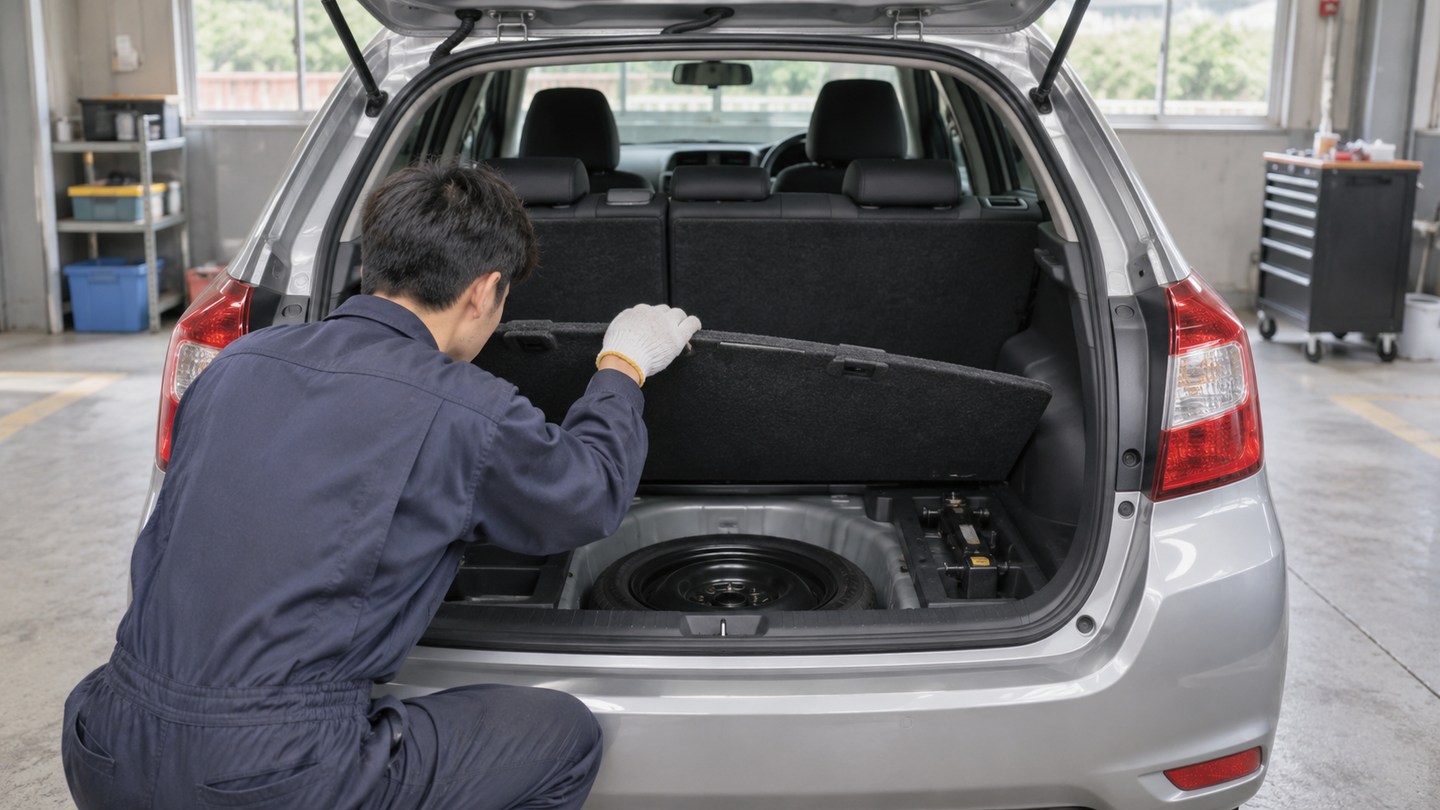
For example, if the auction report mentions rear damage, ask for photos of the boot floor, the spare-wheel well and adjacent seams. Send those images and the chassis number to the certifier as one file. See the pre-bid checks guide for how to request extra evidence in Japan.
What to do when a flag is recorded
Under NZTA’s structural inspection specifications, a car flagged at the border and presented in a repaired state must be referred to a specialist repair certifier. If an inspector determines that the vehicle does not exceed the threshold, NZTA provides a process to request removal of the flag. Ask your entry certifier which process applies.
Speak to the certifier before arranging repairs. Ask which areas it needs to see before they are covered, who can carry out the work and what records are needed after repair. Keep the assessment, quotes and photos with the vehicle’s file.
Decide whether the car still makes sense for resale
Ask the certifier or workshop to separate the cost of assessment, transport, repairs and any reinspection. Include the extra time before the car can be offered for sale. If the photos cannot show the affected structure, hold the bid or budget for a physical inspection before committing.
Use Sumotori’s New Zealand sourcing page to discuss the photos and documents available in Japan. NZTA guidance was checked on 16 November 2026.
Frequently asked questions
Does biosecurity clearance remove a border damage flag?
No. Biosecurity clearance deals with contamination and pests. Ask your entry certifier to check the damage record and confirm the next structural inspection step.
This article provides general information. Confirm vehicle condition, repair and certification requirements with your exporter and a qualified New Zealand entry or repair certifier. This article does not constitute a public offer.