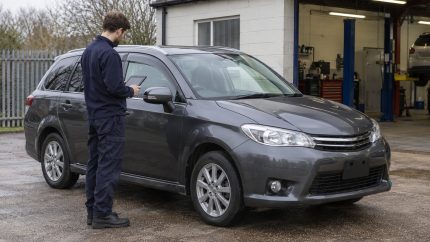
Australia car biosecurity preparation needs more than polished paint and clean seats. Before a used car leaves Japan, give the cleaning team a clear job, review hidden areas and decide how the vehicle will stay clean until loading. This helps a dealer assess whether the car is ready for the next stage without mistaking a cleaning invoice for border clearance.
Key takeaways
- Prepare the actual vehicle for biosecurity inspection, including hidden interior and exterior areas.
- If using a recognised offshore provider, verify the specific facility and its current status.
- Review the finished work and later vehicle movements; preparation in Japan does not guarantee immediate release in Australia.
Start with the vehicle’s import conditions
Australia’s Department of Agriculture, Fisheries and Forestry (DAFF) makes the importer responsible for a vehicle arriving clean and free from biosecurity risks. Its vehicle import guidance identifies soil, seeds, insects and animal or plant material among those risks.
Use the department’s Biosecurity Import Conditions system (BICON) guidance to establish the conditions, supporting documents and any treatment or permit requirements for the goods. Give your broker the vehicle type, use history, modifications and proposed shipment details so the check matches the actual import.
Keep the condition check with the order file and date it. When the car, route or shipment date changes, send the revised information to the broker. A previous order’s cleaning arrangement is a useful reference, but it should not silently become the instruction for a different vehicle.
Turn “clean the car” into a job you can review
A useful cleaning instruction identifies the vehicle and the work to be done. Include the chassis or VIN, current location and photographs of any visible dirt. Explain that the order concerns preparation for Australian biosecurity, rather than showroom presentation alone.
DAFF’s listed areas include the following. Use them to discuss access with the cleaning provider; they are not a complete method for safely dismantling or washing a car.
| Area | Places to include in the review |
|---|---|
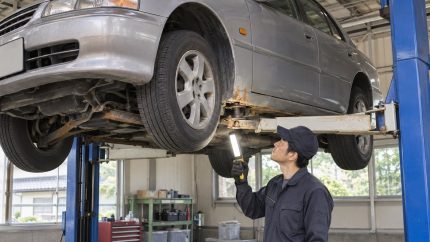
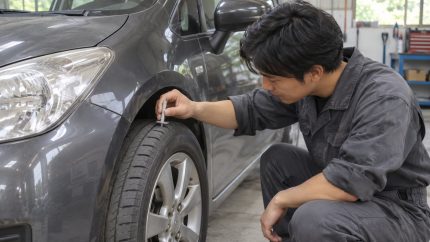
| Wheels and underside | Wheel guards, the underside, around the fuel tank and inside chassis rails. |
| Engine bay and exterior recesses | Radiator cooling fins, external vents and window seals. |
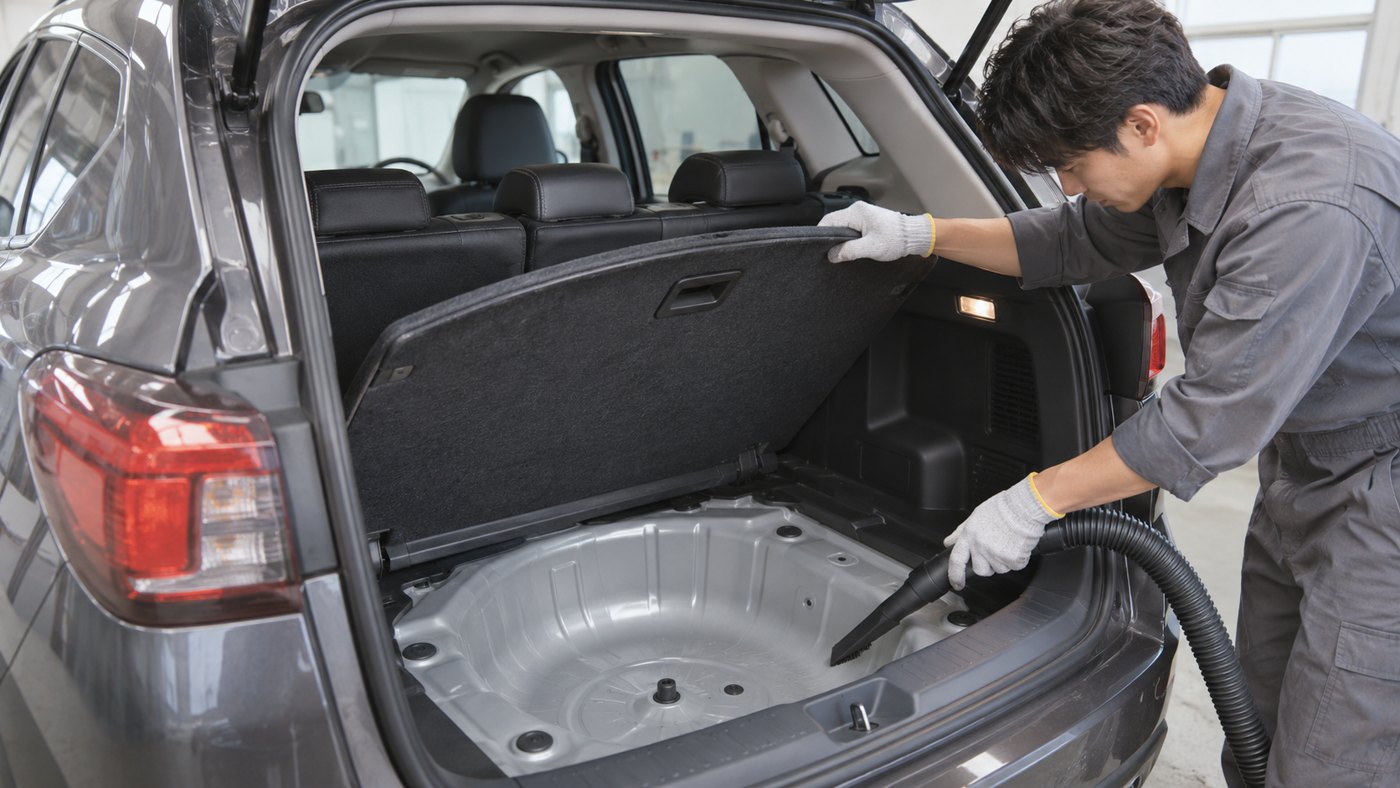
| Luggage area | The boot, spare tyre and wheel well. |
| Cabin | Under seats and mats, seat folds, compartments, internal vents and door seals. |
Ask the provider which areas it can reach in the quoted service. A photograph showing dirt behind a cover should lead to an access decision: who can remove it safely, whether that work is included, and how it will be refitted. Have competent staff choose methods suitable for the vehicle and follow the manufacturer’s precautions.
Do not accept an unexplained “inaccessible” note as a completed check. Mark the area as unresolved and agree on a safe way to inspect or clean it. Avoid instructions to flood enclosed spaces or pressure-wash delicate components simply to produce a clean-looking photograph.
Check the facility if you are using the ROCIP scheme
DAFF’s Recognised Offshore Cleaning and Pre-inspection Providers (ROCIP) scheme is voluntary. Recognised facilities clean eligible vehicles before offshore pre-inspection. The department publishes the facility, port, identifier, function and current approval status.
Match the proposed yard against that live list. A company name alone is insufficient when a provider operates several locations. Save the facility entry and confirm that the planned goods and load-port arrangements fall within the scheme. BICON remains the place to check whether this option is acceptable for the particular import.
Recognition also has limits on the goods that can be processed. Flag unusual use history or modifications before accepting a quote. For example, tell the provider about an added awning or toilet, rather than presenting a modified vehicle as an ordinary passenger car. Have the provider and broker resolve whether the scheme applies.
Compare quotes on the same scope: transport to the named facility, cleaning, pre-inspection, issued records and subsequent handling. If one offer says only “car wash,” request an itemised scope before treating it as equivalent. The lower initial price may simply cover fewer tasks.
Review the work using vehicle-specific evidence
Ask for dated completion records linked to the chassis or VIN. For your own review, request photographs of the areas that caused concern, with both a wider view and a close view. The wider image identifies the location; the close image shows what the reviewer needs to assess.
Keep findings specific. “Plant fragments remain in the spare-wheel well” gives the cleaner a clear task. “The boot is not good enough” does not. If debris is visible, request further work and a new review of that area before marking the cleaning job complete.
Photographs have limits. They cannot show every hidden surface or establish that no live pest is present. Use them to manage the job and investigate omissions, while retaining the provider’s actual inspection records. Do not create a self-issued certificate or describe your photo review as an official inspection.
Example: a clean exterior hides an unfinished boot
Consider a fictional buyer reviewing a used crossover in Japan. The initial photographs show shiny wheels, clean body panels and vacuumed seats. A later photograph with the boot floor lifted reveals plant fragments beside the spare-wheel recess.
The buyer sends back that image with the location identified and requests cleaning beneath the removable floor, followed by another review. The team also checks whether the quotation covered that space. The finding changes the work instruction; it is not solved by repeating the exterior wash.
After the work is accepted, the coordinator records where the car will wait and who will move it next. This example is a purchasing-control exercise, not a Sumotori case or a claim that a particular cleaning method guarantees clearance.
Keep the car clean after the job is finished
Agree on storage and movements before cleaning begins. Ask where the car will stand, which surfaces it will cross and whether another workshop visit is planned. A repair after cleaning creates a reason to review the affected area again, especially if trim, mats or covers have been removed.
If the vehicle moves through a dirty area or receives loose cargo, notify the preparation provider. Record what changed and obtain advice on any further work or inspection needed under the chosen process. Keep the handover record with the cleaning evidence so the broker receives a coherent history.
Plan arrival checks without promising immediate release
DAFF generally requires full internal and external inspection of used vehicles on arrival. Recognised offshore processing provides reduced inspection arrangements, not an exemption from biosecurity control. Contamination can lead to treatment, re-export or destruction at the owner’s or importer’s expense. Make keys available for inspection access.
Before arrival, name the person who can authorise additional work and obtain the receiving agent’s instructions for release and collection. Separate confirmed charges from allowances in your cost sheet. Do not offer a customer a fixed collection date while required release remains outstanding.
For the wider order, use Sumotori’s Australia sourcing page. Track SEVs and vehicle approval and asbestos checks separately. A clean car still needs the applicable evidence for those other requirements.
Official DAFF guidance and the recognised-facility list were checked on 25 November 2026. Apply the current conditions to the actual vehicle and shipment.
This article gives general information and is not a public offer or a guarantee of biosecurity release. Confirm the vehicle’s current import conditions, cleaning scope and shipment arrangements with your exporter, preparation provider and a qualified Australian customs or biosecurity specialist.