When shipping cars from Japan in 2026, check when your carrier can load the vehicles and which charges the quote covers before you bid. A route change or a later sailing can increase the final cost and delay resale. The effect depends on your port, service and booking.
Key takeaways
- Ask for the vessel or service, the loading window and whether the space is confirmed.
- Compare freight, storage and destination charges against the same delivery point.
- Check who pays the freight and who carries the risk under the agreed contract.
What can disrupt shipping cars from Japan in 2026?
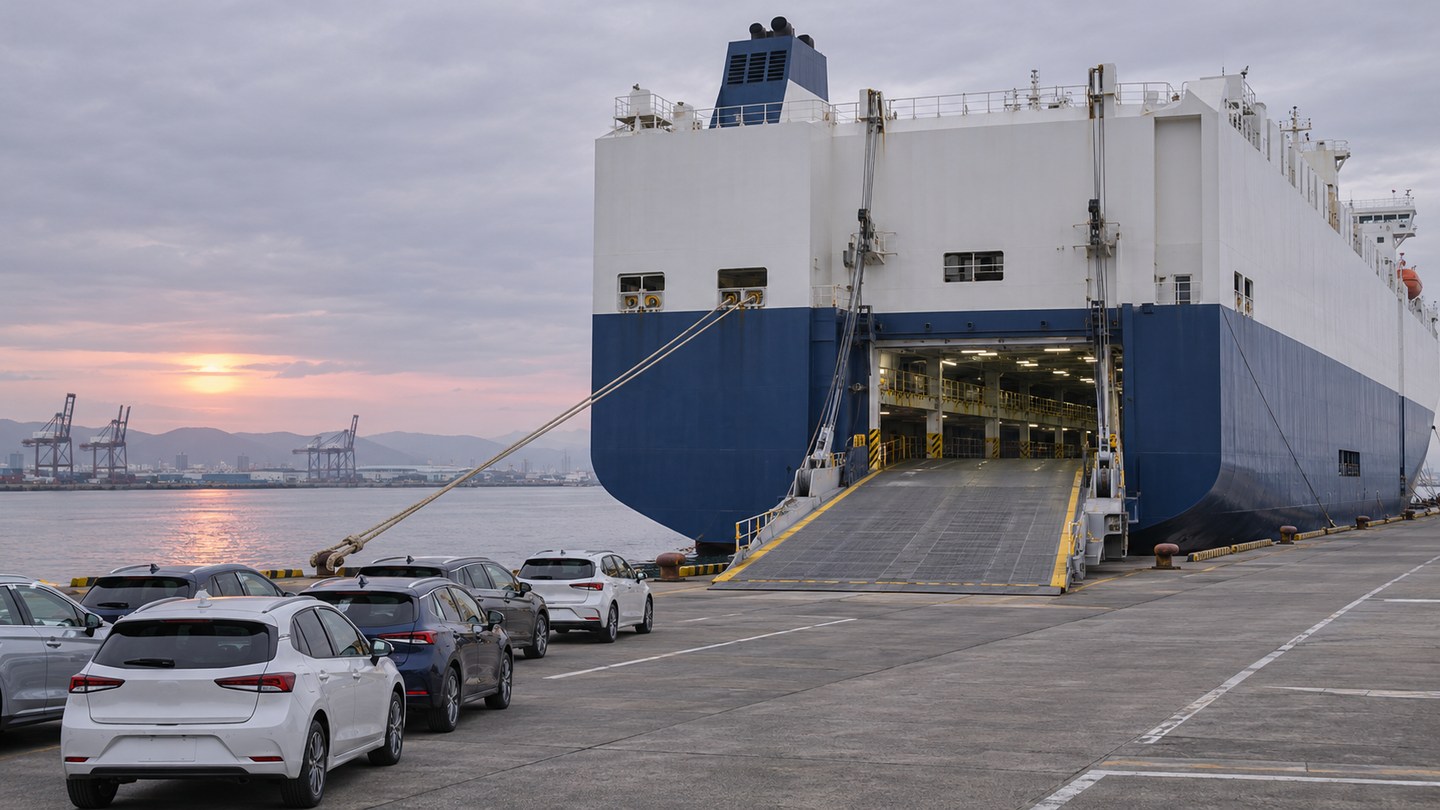
The October industry review, Automotive Industry Report Vol. 84, flags security risks and pressure on shipping space. RoRo, or roll-on/roll-off, uses a ramp to drive vehicles onto a ship. The conditions below can affect the routes you are offered. The RoRo and container shipping guide compares the two methods.
Disruptions in the Strait of Hormuz
The International Maritime Organization continues to document security incidents affecting commercial shipping in the Gulf region. If your carrier proposes a Gulf port, ask whether the vessel will call there and whether the quote includes any security surcharge. If the carrier offers another port, price the additional handling and inland transport before agreeing to it.
Red Sea routes to Europe
A carrier can change its route between the Suez Canal and the Cape of Good Hope. On 2 November 2026, Maersk announced that its ME1 India–Europe service would return to Suez. That notice applies to one container service. Ask your carrier which route applies to your shipment from Japan and whether it includes a vessel change.
RoRo booking space
The industry review flags competition for vehicle-carrier space. For a multi-car order, ask how many vehicles the carrier can accept on one sailing and whether it can accept their dimensions. If the order has to travel in two batches, get separate loading dates and check the storage cost for the cars left behind.
Panama Canal booking
The Panama Canal Authority announced that daily transit capacity would increase from 15 October 2026. The authority still advises carriers to reserve a transit date. If your service to the Americas or Caribbean uses the canal, ask whether the vessel has a reservation and how a delay would affect your shipment.
How shipping problems affect the cost of used cars
A higher freight quote increases the cost of acquiring the vehicle. A later arrival also keeps the money invested in the vehicle tied up for longer. Before setting your bid, ask for the amounts that could change after purchase.
- Freight. Ask when the quote expires and which surcharges apply to the proposed sailing.
- Storage and financing. Ask when storage charges start in Japan and at the destination. If you use credit, calculate what an extra week would cost.
- Destination expenses. Ask your clearing agent for the handling, release and inland delivery charges to your handover point.
Use the landed cost guide to put these amounts alongside the auction and import costs.
FOB vs CFR and what the quote covers
Under Incoterms® 2020, Free on Board (FOB) means the seller delivers the vehicle on board at the named shipment port and the buyer arranges the main freight. Under Cost and Freight (CFR), the seller pays to carry it to the named destination port. In both cases, risk passes to the buyer once the vehicle is on board at the shipment port.
CFR does not require the seller to buy insurance. Check which unloading or terminal charges are already included in the freight contract and which you must pay separately. Compare quotes for the same destination and handover point.
How can dealers reduce shipping risks?
- Get written booking details before a large purchase. Ask for the loading port, discharge port, estimated departure and the cut-off for delivering cars to the port.
- Check who sends each update. Agree who will confirm loading and who will tell you if the vessel or arrival estimate changes.
- Set customer dates after checking local release. Ask your broker how long clearance and port release are likely to take after discharge.
If you are still choosing vehicles, Sumotori’s auction platform page explains how to review listings through Yokozuna. Check shipping availability for your shortlist before approving bids. Route and trade-term sources were checked on 9 November 2026.
Frequently asked questions
What should I ask if the carrier moves my vehicle to another sailing?
Ask for the new vessel or voyage number and expected departure. Confirm whether the original quote still applies and who pays any additional storage.
This guide provides general information. Confirm routes, booking status, charges and contract terms with your exporter, carrier and a qualified freight or customs specialist. This guide does not constitute a public offer.